

Repurposing discarded materials reduces consumption and creates personal keepsakes
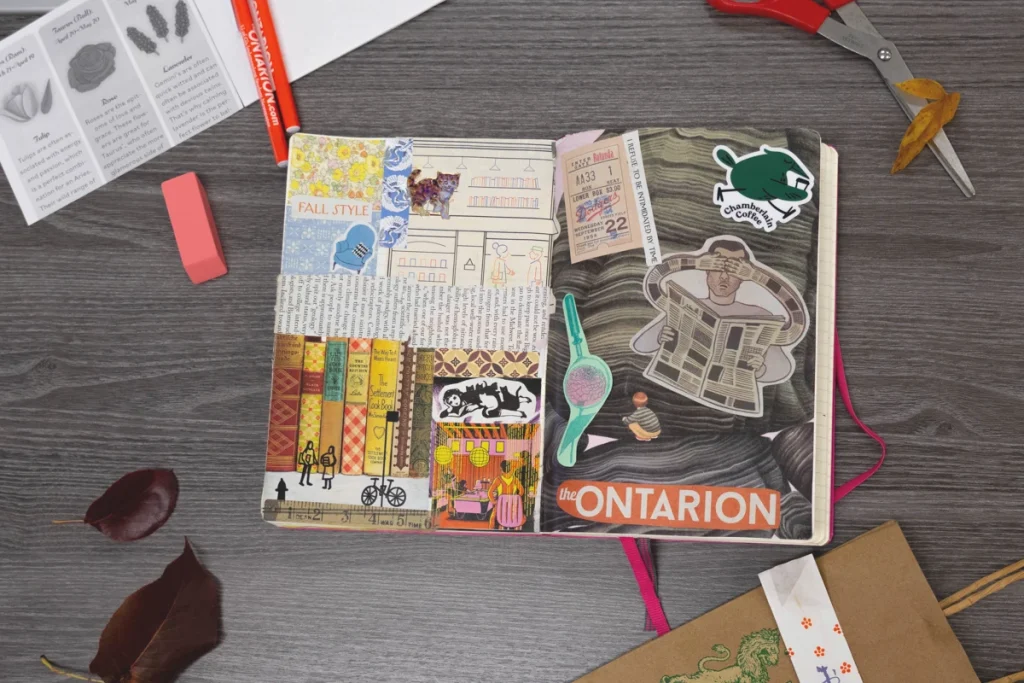
Have you ever found yourself with a piece of packaging that you found very pretty, but saw no purpose for, other than disposal? Junk journaling is a resourceful and creative way to turn this scrap material into an aesthetic memento.
With basic supplies like a notebook, scissors and glue, you can create a meaningful display for junk material without a home. Whether it’s movie tickets, paper scraps, fallen leaves or wrappers—anything you can glue into a notebook—you can prevent these items from ending up in the trash, and instead repurpose them to make a display of your personality, your dreams, thoughts, daily activities and trips.
Junk journaling as an emerging trend
How has junk journaling become such a trend? People’s desire for reduced consumption and activities requiring minimal screen time are possible explanations.
Scrapbooking and journaling are often associated with the purchase of new materials; but new materials create an environmental footprint. Junk journaling provides a more eco-friendly alternative, rooted in practices from centuries ago, where the production of goods was slower, and people were generally more resourceful with the items they used. Even common books contained collections of perfectly imperfect items, like recipes and quotes.
Today, junk journaling is seen as a mixed-media art movement that regained popularity through social media—the very platform that junk journal hobbyists move away from while engaging in the practice.
Reducing and reusing junk
Junk journaling is inherently sustainable. Using materials that you already have is a good way to reduce waste and bring attention to the trash generated by our daily activities. By finding a use for spare materials instead of purchasing supplies, we can reduce our (artistic) footprint; all while embracing imperfections and puzzling together spare resources for a meaningful and unique outcome.
Let’s focus on how to put this sustainability principle into practice. As junk journaling focuses on visuals rather than writing as in other forms of journaling, the materials are key. You can create layers and themes in your journalsing using a variety of items. Things like packaging, scrap paper, plants, movie tickets and other ephemera, fabric and even small trinkets are only some examples of what you can use.
While sustainability is about reducing your environmental footprint, it doesn’t have to be totally restrictive. You can combine the items that you have with new materials made of eco-friendly materials. Scrapbook paper, coloured pencils and non-toxic glue allow you to add some personal touches and make the design more cohesive.
As long as you make conscious choices about the materials you use, there is really no right or wrong. There are countless ways to be sustainable, so make this journal representative of your take on the concept.
Junk journal with friends
Another way in which junk journaling is beneficial is the time spent away from screens and even together in groups with friends. While you may find some inspiration from junk journals online, the craft experience is one where you can be creative with your own hands and the unique real-world materials that you have, using them as puzzle pieces to create a small work of art.
That experience can be even more fun when surrounded by friends, classmates or housemates. You can find ways to put the items together in an aesthetic way, and share some laughs about the crazy combinations you can come up with using the junk you have lying around. You can exchange pieces and make more meaningful memories to add to your junk journal.
Starting your own junk journal
Some tips for starting your own journal include collecting items first and thinking outside the box while crafting.
Here are some ideas of junk you could collect:
Paper tickets
Colourful leaves
Patterned packaging
Wrapping paper
Photo strips
Restaurant coasters
Ribbon from presents
Spare coins
You could use themes inspired by nature and its seasons, landscapes and colours—think of the colourful fall foliage around campus—to pull your junk together. Make the journal more personal and interactive by adding flaps and hidden text. After all, the most important thing is to make the journal yours, showcasing your personality and your vision of the world.
Now it’s time for you to scavenge your desk drawers and recycling bins to find hidden treasures waiting to be included in your next art project. Showcase your commitment to reducing consumption and sustainable living by creating your own personal junk journal.