

In this era of AI-generative systems, will you use it as a tool or a weapon?
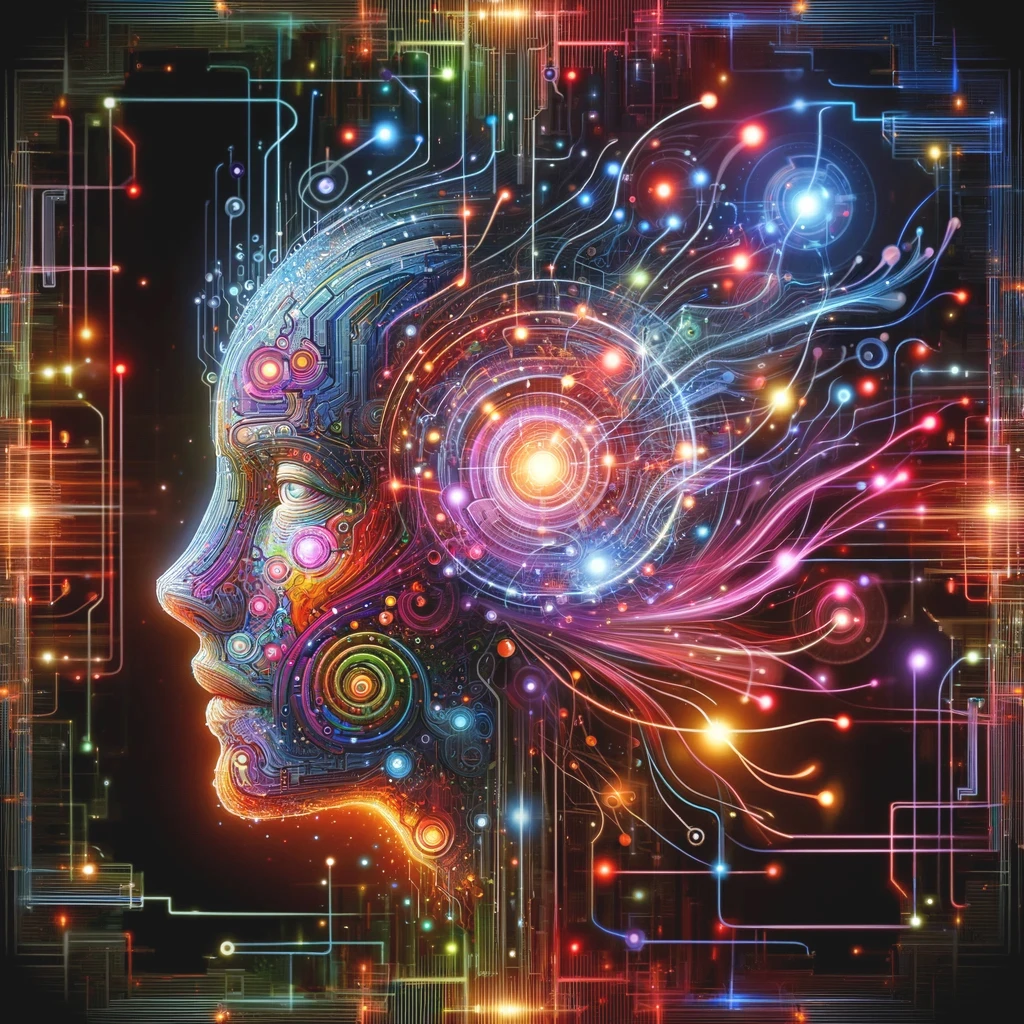
With the explosion in popularity of text-to-image Artificial Intelligence, (AI), through systems such as Adobe Firefly, Stable Diffusion, and DALL-E2, creating art has never been easier. The possibilities of what we can do with these systems are seemingly endless, but how can we use these tools responsibly?
Two faculty members at the University of Guelph weighed in on how AI art generators can be used ethically, and they highlighted the risks and benefits using these programs.
Created in 2018, the Centre for Advancing Responsible and Ethical Artificial Intelligence, (CARE-AI), at the University of Guelph is a hub for AI activity on campus. It aims to promote AI research through numerous ways which include funding faculty projects and graduate student research assistantships, creating an embedded ethics curriculum for those students, organizing professional development training programs for in-career workers learning to adapt to AI in the workplace, and by running monthly seminars that speak on the ethical use of AI.
This last function is especially important as AI tools become part of our everyday lives and are used in several fields including academia, content creation, and art. Therefore, understanding how to use AI responsibly is key.

The Ontarion spoke with one of the academic co-directors of CARE-AI, Dr. Graham Taylor, on what ethical AI is all about.
“Ethical AI is when you consider human values when you’re building and deploying AI systems,” Taylor said.
“On the other side, non-ethical AI is when you don’t give any consideration to human values when you build those systems.”
Taylor used AI-based hiring systems as an example and explained that the entire process of screening applicants and receiving resumes through an AI algorithm could be built ethically, such that the process is fair and secure. The system could be trained to recognize resumes from the past that were selected by hiring managers and then filter current applications based on people who were hired.
But the first problem with this is that some new applications in the system may get overlooked because they don’t fit the mold of previous hires and as a result, several people may be underrepresented or not represented at all.
The second issue is that since the algorithm is built based on past decisions, a significant amount of human bias may influence the hiring process. However, these potential risks can be reduced by regularly updating and retraining the system to look out for these types of issues.
As many of us continue to use generative AI for creating new content such as text, PowerPoint presentations, computer code, and imagery, CARE-AI is committed to providing informative workshops and seminar series to everyone about how to use AI tools ethically.
“We show people specific use cases of working with AI-generated art forms, and we include examples of designing content like web pages or new creative content like images,” Taylor said.
“This impacts art because when artists use AI models to create art, they want to be able to control [the models] and they do that through prompts or other means. They have something very specific in mind that they want to create, and they leverage the algorithm for its creativity, but the human still needs to be controlled to some degree.”
Taylor added that his research community at CARE-AI is “profiling some of that work so people can learn how those algorithms work and maybe do research towards more controllable generation.”
Taylor explained that two of the biggest benefits of generative AI systems is that it saves time and allows people to be very creative. Especially in terms of creating things that would typically require a particular skill set, AI provides users the opportunity to generate art without needing to be overly skilled at using Adobe Illustrator, for example.
“That’s why we say it’s like a skill level. It can take you from being not so proficient at a task to being quite proficient at something,” he said. “I would say that it’s like a power-up for people.”
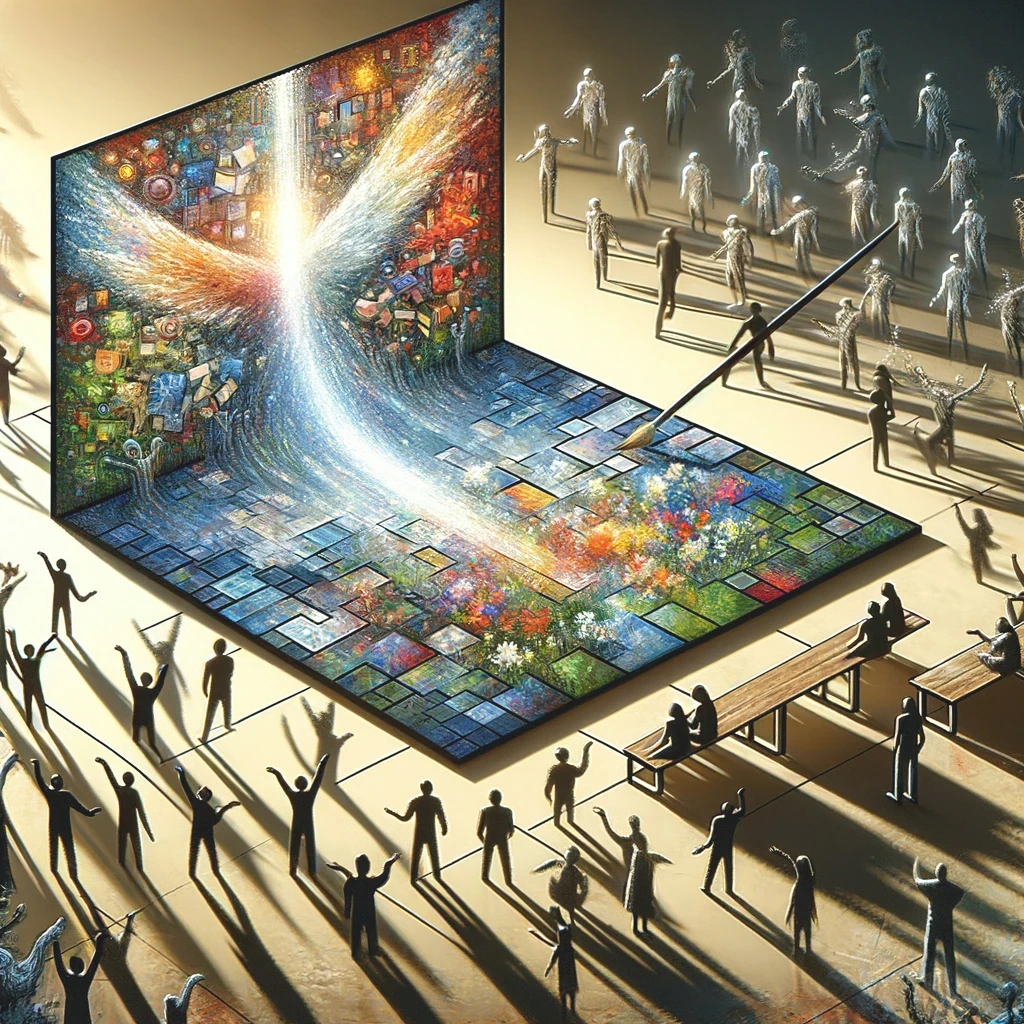
In terms of risks, Taylor says that copyright issues are one of the main concerns when making AI-generated content. Some argue that AI doesn’t really create new content, rather it copies other people’s works that the algorithm has previously been trained on. Given this, it’s easier now for people to be exploited as they may not be assigned due credit when their art or content is copied.
Additionally, there is also the issue of deep fakes, which is the creation of artificial media that may be an image, audio, or video of one person that is altered to resemble someone else, and is typically used to spread false information. With specific AI tools dedicated to creating deep fakes, this can be used as a malicious tool to harm people.
While these negative aspects exist, Taylor believes the benefits of using and creating AI-generated content outweigh the risks, as it has so much potential to help us develop content, generate new ideas, or even advance areas of science.
“The risks are real …and we definitely need to take action towards foreign policy changes and regulations to ensure that they’re used more for good than bad, but people will use them for bad things for sure. But I think it’s very extreme to say we need to ban AI 100 per cent.”
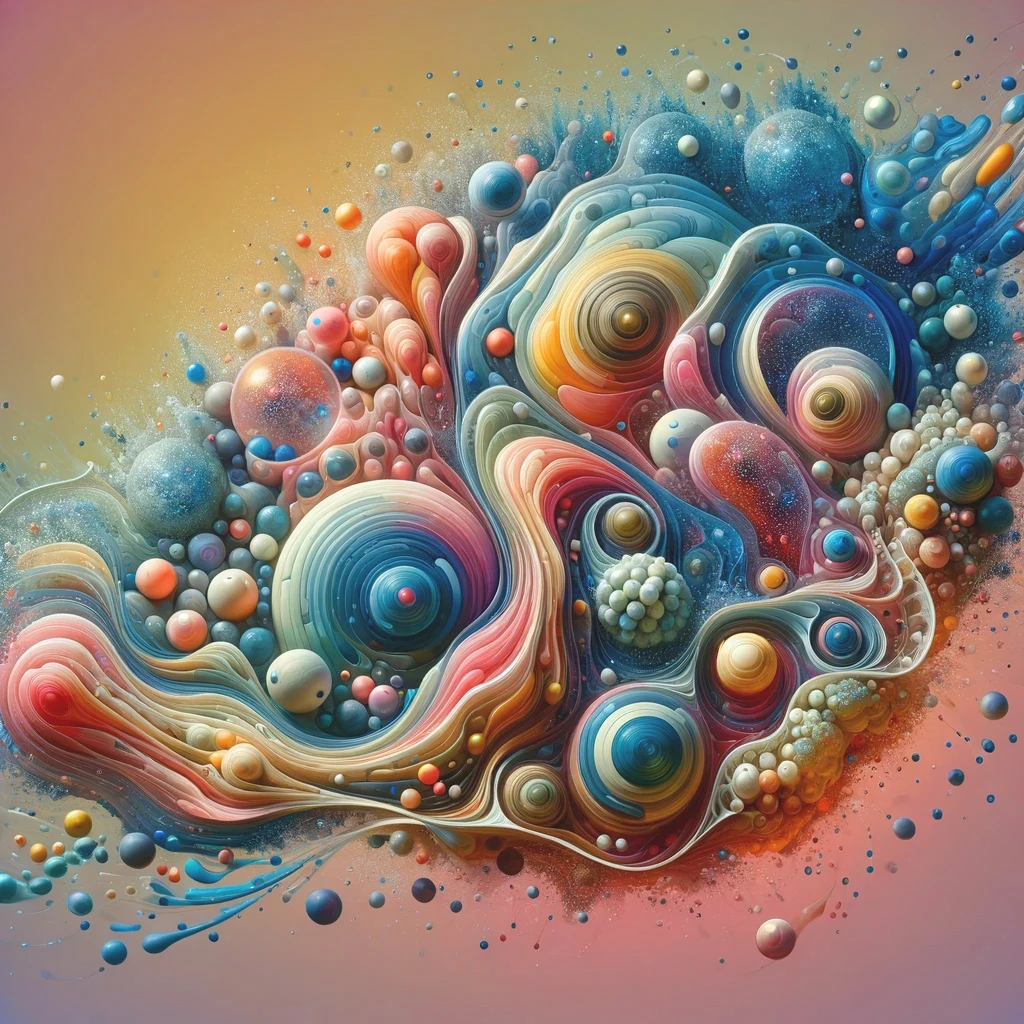
One of the ways we can learn to create AI-generated content and art ethically is through education. Both the people behind the AI systems, the users of the systems, and the general public need to be aware of the benefits and risks that come with AI tools.
For the people involved in creating these systems, Taylor recommends that they undergo ethical training before they start working and while they are working at AI companies; as AI updates, so should their knowledge on it. Even those who have no interest in AI could receive calls from scammers using deep fake voice simulators, and it’s important that we are aware of these possibilities by educating ourselves.
To get another perspective on using AI-generative systems for creating art and content, The Ontarion spoke with the director of the School of Fine Art and Music, (SOFAM), at the University of Guelph, Martin Pearce, who said AI systems can be used as tools in a fine art setting.
Although it is used in different ways for different purposes, Pearce explained that there are some situations where AI simply has no place, such as in a sculpture class. In other courses, AI tools such as DALL-E2 are used alongside digital techniques.
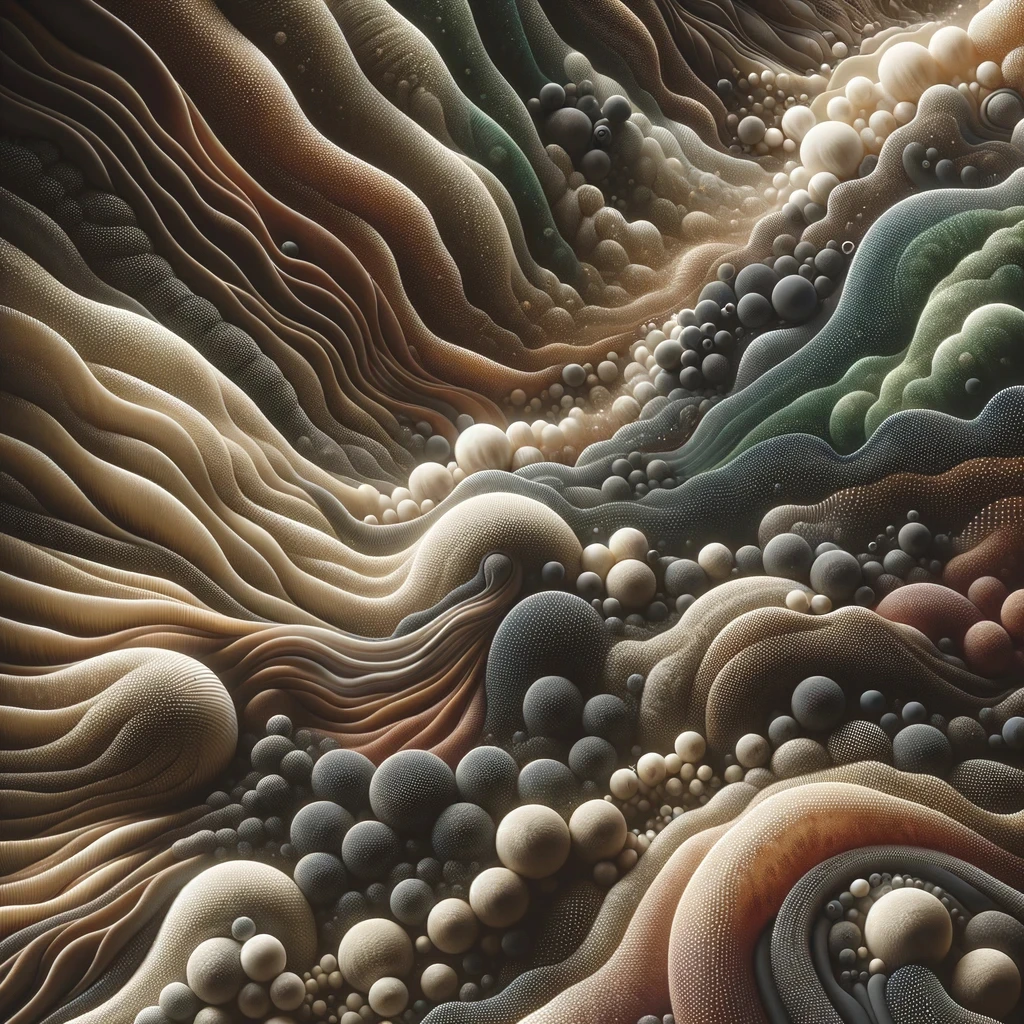
He described how a student intentionally created a critique project on the art market, which involved building a website using DALL-E2 and creating a fake identity to sell paintings, which were actually just JPEG images. Pearce mentioned that there was no problem with this since it was the purpose of the project, and the student wasn’t pretending to have actually made those “paintings.”
Issues with using AI systems for generating art typically surround originality. This issue is more common in photography as everything can be faked, even by someone who’s never picked up a camera.
However, Pearce emphasizes that this is nothing new in the world of art, and AI is just another manifestation of the age-old originality problem. Students in SOFAM are familiar with such issues as they are addressed in classes, and rather than worry about this, Pearce is interested in seeing how AI can be incorporated into learning methods.
“I hope that my students start using AI generators to come up with images, because then they’d get a digital image and what they have to do is translate that into a drawing or a painting using their hands because that’s what we do,” Pearce said. “I’m seeing some of these AI generators, and some of the images are very cool, and that would be an interesting challenge for them because then you’ve got to mix up the paint to make a version of it or you’ve got to draw it.”
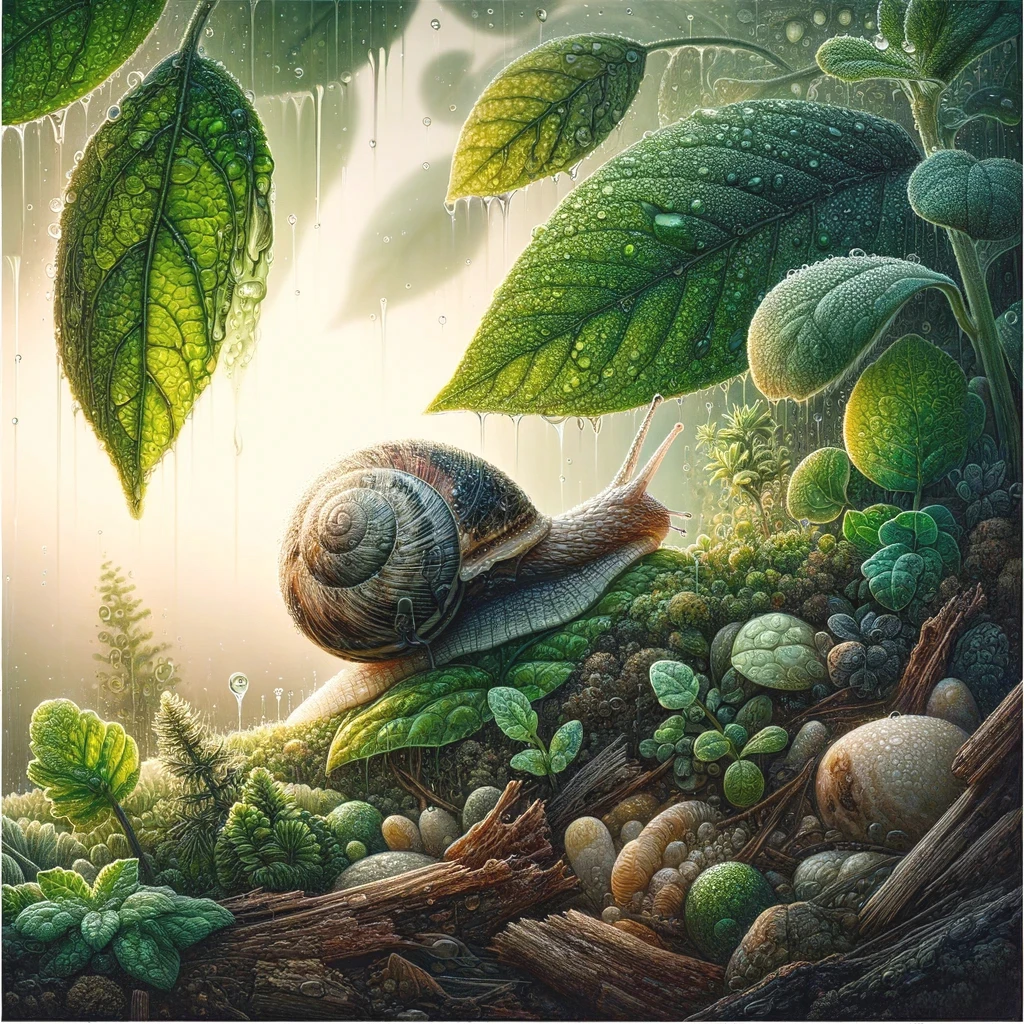
Pearce also mentioned that as of now, the benefits of using AI for generative art are more apparent than the risks, and that at U of G, AI is seen as an opportunity for furthering our understanding about different interest areas and art mediums.
“In a visual art discourse, as long as we understand what’s going on, and we see how the AI is being used, that’s more interesting than what is produced,” he said. “The ‘how impressive the image is,’ is less interesting than why and how it was made. That’s often how it is with art.”
“The really interesting bit is when for students, the handbuilt stuff starts to influence what they make online and when the online stuff starts to influence what they make with their hands. And that’s the cool bit because it’s all part of a continuum of learning.”

It’s clear that AI is here to stay as a tool to create art and other types of content, but to utilize it in the most efficient and ethical ways, we first have to have a basic understanding of the numerous ways it can be used. Then, we can learn how to use it responsibly while having an amazing time doing so.
More information about CARE-AI at the University of Guelph can be found at care-ai.ca, and details about upcoming seminar talks and informative workshops hosted by CARE-AI can also be found on their website at care-ai.ca/events-2.