

Chimaera Kameleon combines her passions for psychology and performance

Chimaera Kameleon is booked and busy. She’s performing across Canada, including opening for “CTRL + ALT + DEL” singer Rêve on her Waterloo tour stop. On top of that, she’s studying towards a master’s degree and eventual PhD in psychology. Her extensive research on drag as a career caught the attention of CBS and Cosmopolitan UK. In October, she presented her findings in a TED Talk at her alma mater, the University of Guelph.
Within her drag family, she’s fourth-removed from the iconic Chappell Roan.
“If this TED Talk blows up, maybe Chappell Roan will be in my DMs next,” Kameleon joked.
Since she began booking drag gigs in her undergrad, Kameleon started thinking of drag as a viable career choice. She researched the drag field under supervision from Professor Thomas Sasso, who she described as “the rock of this project.” Her work advocates for drag as a form of employment through the lens of industrial and organizational psychology. Drag is similar to gig work, like being a freelance writer or a contractor, but people are quick to dismiss it as a job.
“Everyone’s thinking about what they want to do in life and how to make it their career, like finding their passion,” Kameleon said. “Well, a lot of people find that in drag. It shouldn’t be discriminated against just because it goes against gender norms.”
Kameleon was surprised and honoured when TED heard of her work and reached out. She took to the stage in full drag, having borrowed a glamorous blazer and skirt from RuPaul’s Drag Race alum Suki Doll.
“Having a drag queen do a TED Talk is unprecedented, especially about real, empirical evidence that’s gonna benefit the community and fight back against those political injustices,” Kameleon said.
Her talk can be broken down into six key components: what drag is, the skills required, the workplace, compensation, identity and expression, and a sense of community.
Drag is a performance art that includes drag queens and drag kings, alongside non-binary and trans performers. It was made mainstream by shows like RuPaul’s Drag Race, and now drag events are held in cities worldwide.
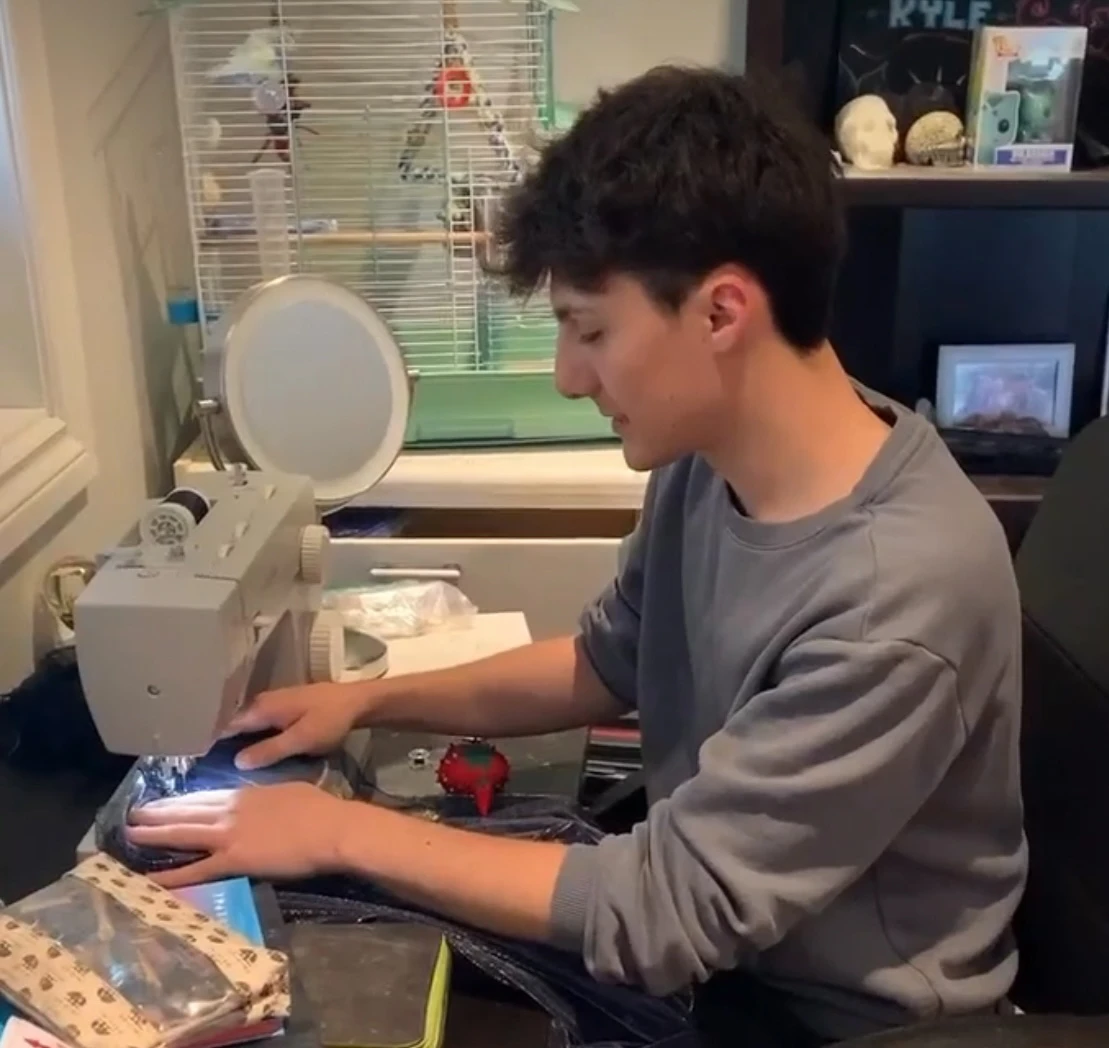
Each performer offers unique skill sets and puts hours into perfecting their craft.
“You have to lip sync or be a costume designer, a dancer, take comedy classes, learn how to do makeup,” Kameleon said. “Sometimes even singing – not me, but maybe other people, if they’re ambitious.”
Even off-stage, there’s work to be done as a drag performer. Kameleon markets herself and networks, manages her social media, and even retouches her own pictures.
Drag skill sets are multifaceted, as are drag workplaces. Traditionally, drag was seen primarily in bars and clubs – now, it’s also tailored for digital media and film, libraries, storytimes, and even educational pieces. Alongside her research, Kameleon gets booked to do makeup classes or to present informative talks on drag.
Kameleon described performing at a wide range of venues, saying she’s “done everything from bar mitzvahs to funerals.” A drag funeral may feel unexpected, but they are often held for young, queer youth who dealt with self-harm or substance abuse. Having an accessible queer community treats these events as a celebration of life, and Kameleon describes it as “an honour to be there.”
Like many other forms of art, drag is powerful and emotionally resonant. Over 90 per cent of respondents in Kameleon’s research found meaning within their work. Also, 94 per cent of Kameleon’s respondents reported that drag helps them better understand themselves.
Despite high job satisfaction, drag performers often report receiving subpar financial compensation. 86 per cent of performers have another form of employment, like a day job.
But the sphere of drag is expanding. Kameleon finds herself performing in new places and building a queer community all across Ontario.
“I’m doing shows in New Hamburg and Gravenhurst and all these small farm towns, Grimsby and Thorold, and places where they’ve never even seen drag before,” she said “There’s such a need for an inclusive and diverse and accepting space.”
These performances make an impact. In a small town in southern Ontario, Kameleon described that trans people told her this was the first time they felt truly safe to come out to an event.
“That’s what I live for,” Kameleon said. “I love bringing people together.”
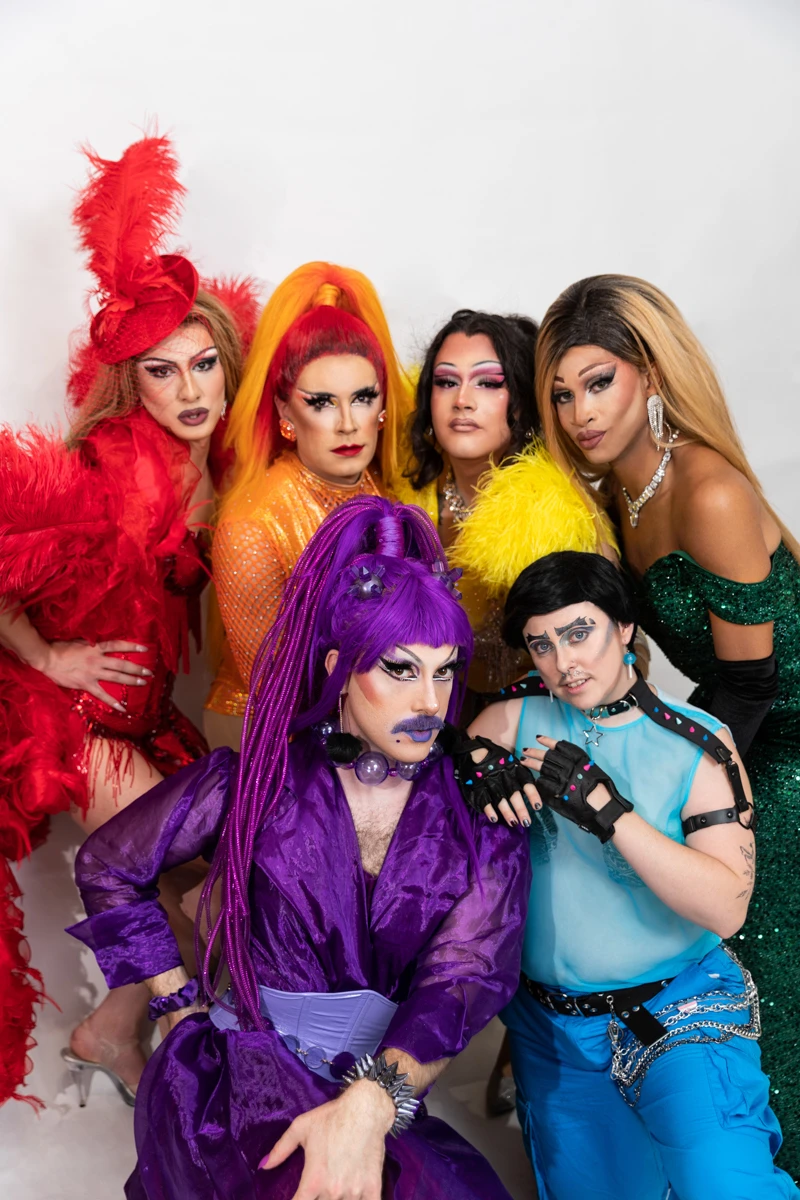
Having a strong, resilient community helps queer people shine, both in their jobs and in their own lives. It’s Kameleon’s community that got her to where she is today. Three years ago, her friends inspired her to try drag after watching RuPaul’s Drag Race. As she began booking gigs, her friends came out to her shows to show their support. Kameleon is also grateful for her drag family, the House of Kameleon.
“If I didn’t have them, I don’t think I’d be where I am,” she said.
Now, Kameleon pays it forward by giving back to her community. She runs open stages that foster new drag talent. She has partnered with Guelph Pride, Halloween for Hunger, and Hive, a queer health network. Recently, Kameleon joined the Board of Pride Hamilton to continue making a difference in her hometown.
“The community is my strength,” she said. “Because I want to do so much for my community, that’s what keeps driving me. In turn, good things come with it.”
As Kameleon combines her love for her community, academia, and drag, she proves your path is yours to carve out. You can combine your job with your passion – it doesn’t have to be an either/or.
When Kameleon first stepped out in drag, she didn’t expect to stride this far. Three years later, she stands on a different stage, giving a TED Talk. Kameleon has found her career and her calling – and she’s presenting her findings so others can do the same.