

The Ontarion explores the art of the table
Although food has inspired centuries of great artists, it has largely been overlooked as an art form itself. Famous artworks, like Caravaggio’s Basket of Fruit (1595), Andy Warhol’s Campbell Soup Cans (1962), and even Leonardo da Vinci’s The Last Supper (1498), reflect the pronounced impact of food on human culture. It is high time to appreciate the artistic potential hiding in our refrigerators and supermarket shelves.
What separates satisfactory food from a show stopping meal is similar to the boundaries between a good painting and a great one. Of course, we judge art according to our personal preferences. The mastery of technical elements, like line and colour, are certainly important. Beyond aesthetics, art requires a certain je ne sais quois to resonate with the person experiencing the artwork. So, what does it mean to make art with food?
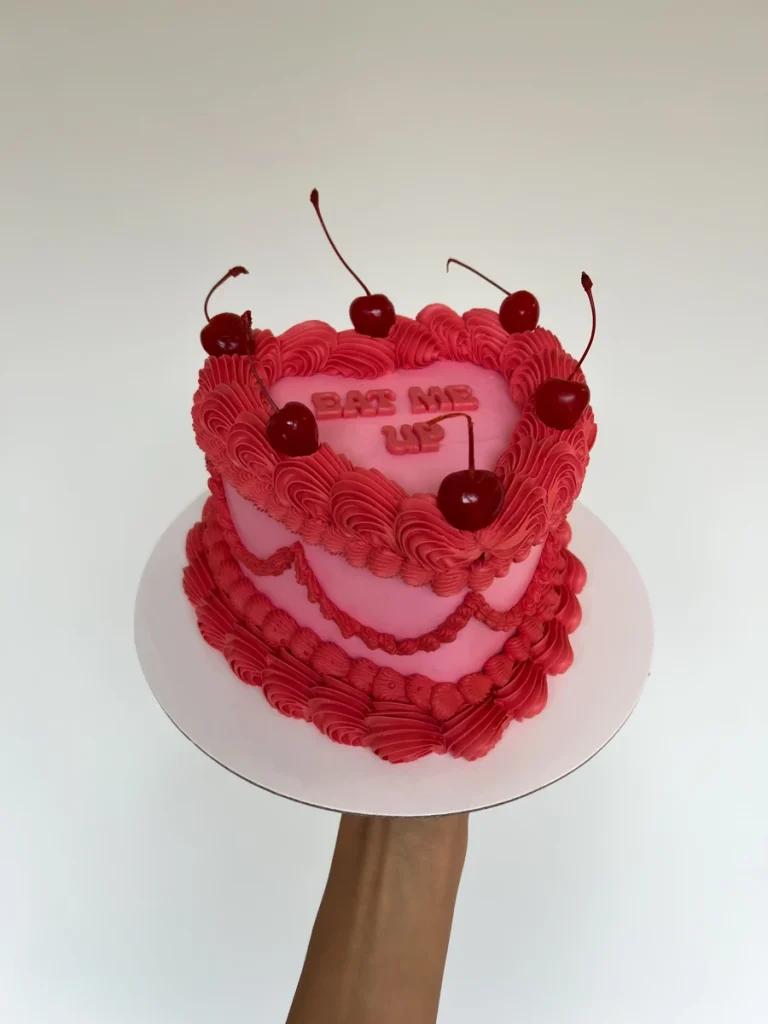
For April Brockman, the cake designer behind @guelphcakes on Instagram, art is found in the tiny, edible details. Her cakes follow the Lambeth cake decorating method, a style of “over-piping” cakes popularized in England in the early 20th century. Brockman combines precise piping techniques, vibrant colors, and fun decorations to craft memorable, picture-perfect cakes.
Humans tend to embrace art in their most tender moments. The same has been true for Brockman’s cakes, which have been enjoyed at weddings and ordered by people undergoing cancer treatments. And, as a busy mother of two, Brockman has enjoyed cake decorating as a “therapeutic outlet” that meshes well with her current “chapter of motherhood,” she explained.
“When my babies went down to sleep at night, I would just go into the kitchen and start baking,” said Brockman. “I just get into this flow state that everybody talks about. It’s just so funny that I found it in baking.”
Maybe the experience of food is what makes it artful. Experience is at the core of gastronomy, or the study of how food and culture are interrelated. People and food change each other: what we eat is shaped by location, heritage, and traditions. Besides, food is a uniquely embodied medium—it is perhaps the only form of art to interact with our bodies on a cellular level.
Now, the dining experience has become just as vital as the food itself. This is most obvious at Le Petit Chef, a downtown Guelph restaurant that promises diners an “immersive culinary journey”. The restaurant employs 3D mapping technology to project a tiny chef onto tables. Guests can watch as the chef prepares their food in a 90-minute theatrical show, reflected in the extravagant price of $129.99 per adult (plus gratuity).
Crafting a fun, accessible food experience is also important to PJ’s Restaurant, located within the School of Hospitality, Food & Tourism Management at Lang. PJ’s is run by students enrolled in HTM*3090—Restaurant Operations. According to Monika Kruszka, PJ’s Executive Chef and Restaurant Manager, the course offers students creative freedom to choose themes and design their menus.
Notable themes this year have included nods to Home Alone, an assortment of international street food, and an “Apres Ski Lunch” to close out the semester. Decor is also used to tie the restaurant’s atmosphere to the menu items. While the students are fond of pop culture references, Kruszka is inspired by seasonal flavours and themes. She also calls attention to cooking being a process of creation and transformation.
“Cooking is definitely a very creative outlet,” she explained. “You see the same ingredients used over and over again in certain dishes, but how they’re prepared and executed can definitely change the entire dish.”
More than any other art medium, food is an all-encompassing experience, from dining to digesting. If art is primarily a method to say something about ourselves to the rest of the world, I think we should start seeing food in the same way.