

The Ontario government plans to close 10 drug consumption sites by 2025 and in response, a new recovery-focused model will launch
On Aug. 20 the Ontario government banned supervised drug consumption sites within 200 meters of schools and child-care centres. The decision was made to promote community and children’s safety and will be effective by March 31, 2025.
“Communities, parents, and families across Ontario have made it clear that the presence of consumption sites near schools and daycares is leading to serious safety problems,” said Sylvia Jones, deputy premier and minister of health, in a press release.
The Ontario government reports that crime in the vicinity of these sites is significantly higher compared to the surrounding neighbourhoods. In Toronto, reports of assault are 113 per cent higher in neighbourhoods near these sites than compared to the rest of the city. In Hamilton, reports of violent crime near their site are 195 per cent higher than the rest of the city. Additionally, crime rates near the Ottawa site are 250 per cent higher than the rest of the city.
10 sites in Ontario will close due to this new rule. Five of the 10 sites are in Toronto, and the other five are in Ottawa, Kitchener, Thunder Bay, Hamilton, and Guelph.
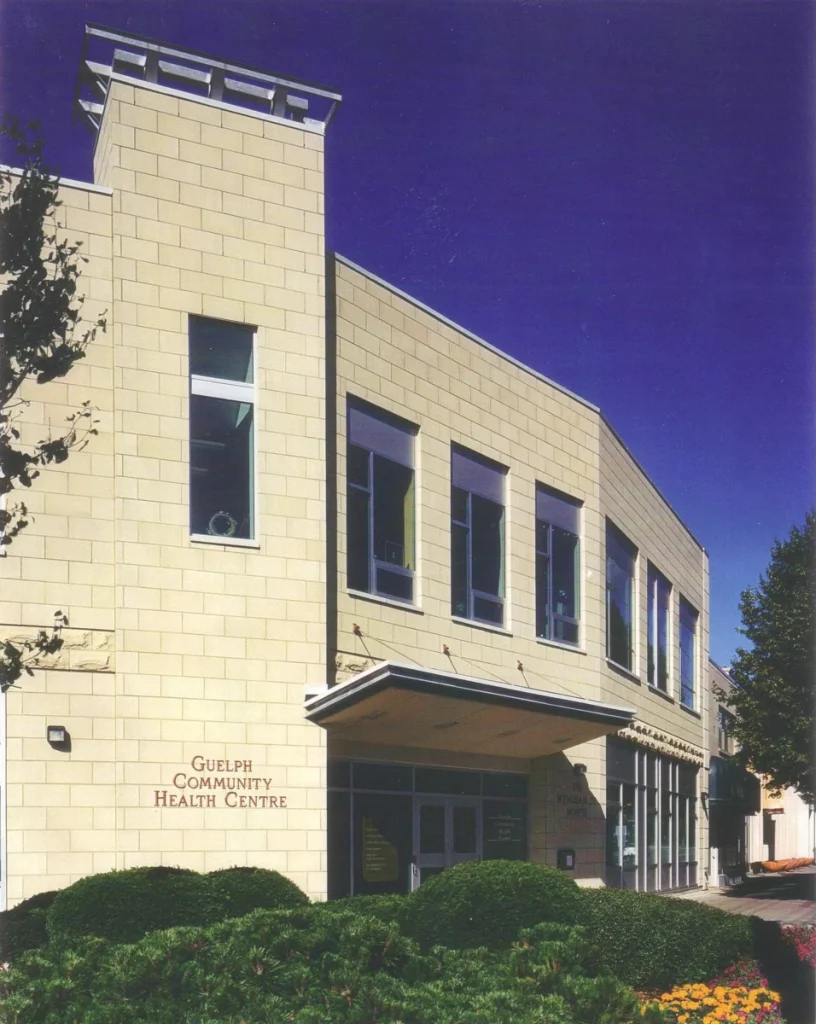
In Guelph, the only safe consumption site is located at the Guelph Community Health Centre at 175 Wyndham St. N. Once this site and the Consumption and Treatment Services site in Kitchener close, the nearest site outside of the region will be in London, over 100 km away.
Alongside the closure of these safe consumption sites, the Ontario government has launched a new initiative that they claim will prioritize safety and recovery. This will be in the form of supportive housing units named Homelessness and Addiction Recovery Treatment Hubs, or HART Hubs. They plan to add up to 375 supportive housing units, in addition to addiction recovery and treatment beds, that will aim to help thousands each year to transition to stable long-term housing. However, HART Hubs will not offer any supervised drug consumption or needle exchange programs.
Consumption sites set to close because of this new rule are being encouraged to submit proposals to transition into HART Hubs. If passed, these new sites would be prioritized by the government and could be eligible to receive, on average, up to four times more funding under the HART Hubs model than they would as consumption sites. It is unclear how long the process of transitioning to a HART Hub model could take, or what parameters need to be met in order to fulfill that criteria.
City of Guelph Mayor Cam Guthrie wrote on X about the issue saying, “I commend the provincial government for moving forward with a detailed plan to save lives, restore families, and improve communities struggling with the stranglehold of addictions. I am confident that the new HART Hub model, focused on recovery, will show the positive results cities have been desperately requesting for our most vulnerable citizens, not just in Guelph, but across Ontario.”