

Highlights of the 2024 Guelph Jazz Festival, where music meets community
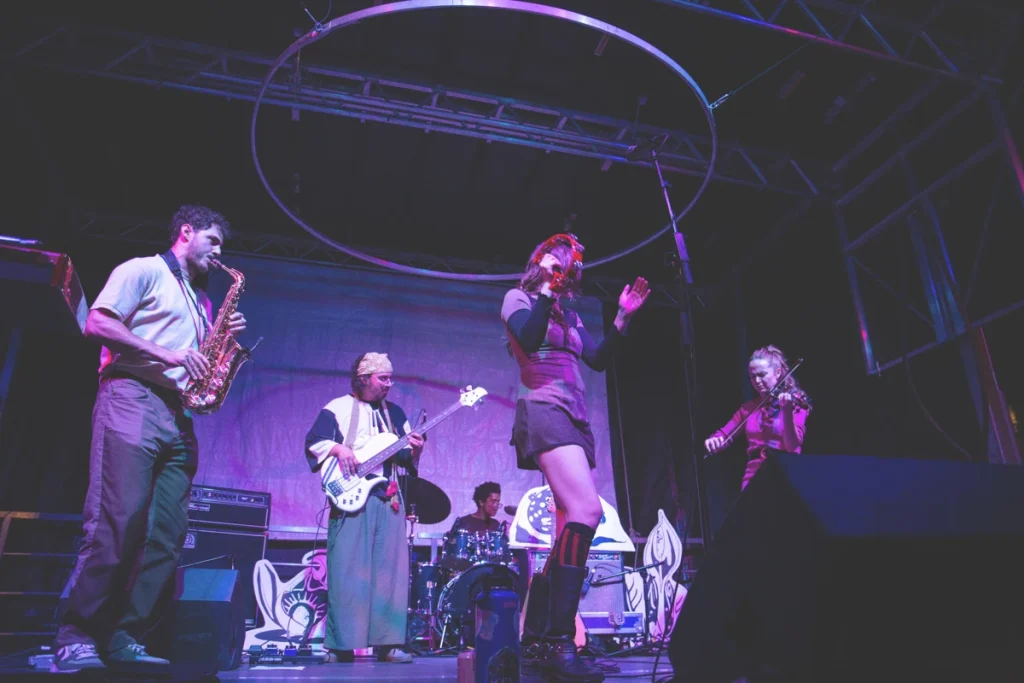
On Sept. 13-15, Guelph held its annual Jazz Festival, where artists from all over the world came to perform and share their art and music. The stacked lineup included the Darius Jones Trio, All Wild Things Are Shy, Bodywaltz, Glass Elephant, SHEBAD, Splendid Abysse, fLuXkit Vancouver, and Luka Kuplowsky & The Ryokan Band.
Much of this year’s programming focused on underrepresented genres, free jazz and free improvisation. The festival showcased local musicians and diverse bands from around the world. It aimed to feature performers who may not receive attention in mainstream music scenes, fostering an environment where audiences can discover and support new artists.
“We prioritize local artists and aim to create an exploratory atmosphere,” said Interim Artistic Director Karen Ng. “This isn’t just about familiar names, it’s about discovering something new.”
This year introduced an exciting blend of performances and community activities, including dance workshops that allowed participants to explore traditional dance styles.
“The festival offers a warm welcome, a way for people to connect and discover what Guelph has to offer,” said General Director Alex Ricci. “I have memories from being a kid and going to the Jazz Festival because it’s been happening for almost my entire life. Almost all of us who grew up in Guelph have a memory of going.”
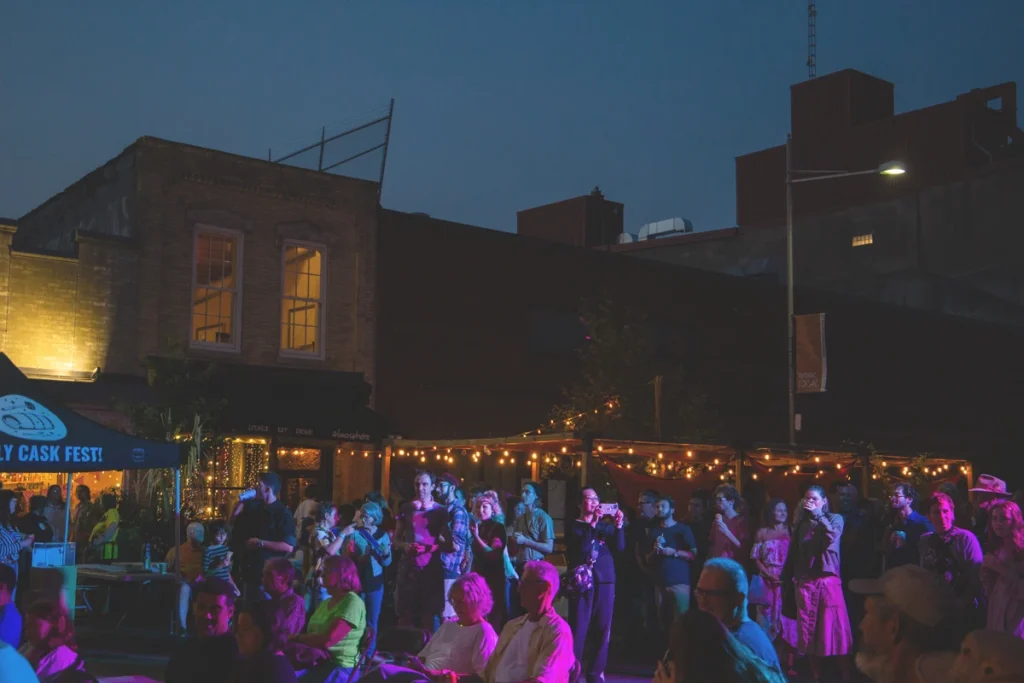
This year, the festival had over 80 volunteers, many of whom have returned for their 5th or even 10th year.
“We encourage everyone to keep in touch and support live music, whether by attending events or volunteering,” Ng said. “The more people support local arts, the more we can continue to grow.”
The Guelph Jazz Festival has become a cornerstone of the community, fostering connections among residents, students, and local businesses. As it’s right in Market Square, it’s a vibrant and essential part of Guelph’s cultural landscape. The vibrant, high energy bands and DJS create a dynamic space for community engagement.
“Having [the bands] play at Market Square off the stage and right beside the audience was a really cool way of bringing that music directly to people,” Ricci said. “Often, people would be really into the energy and start dancing on the streets.”
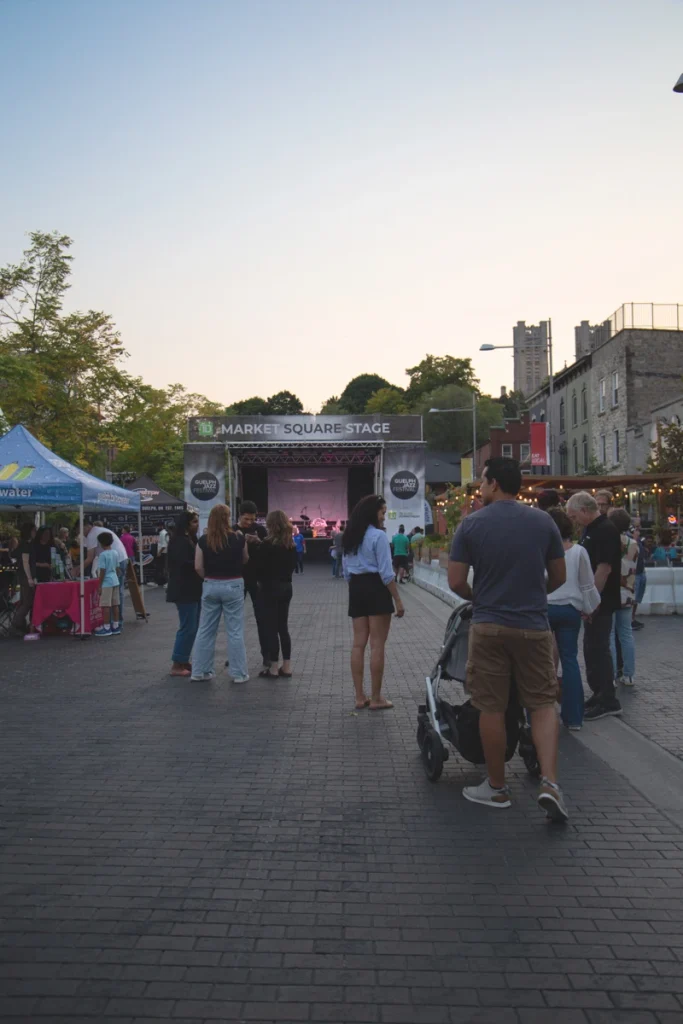
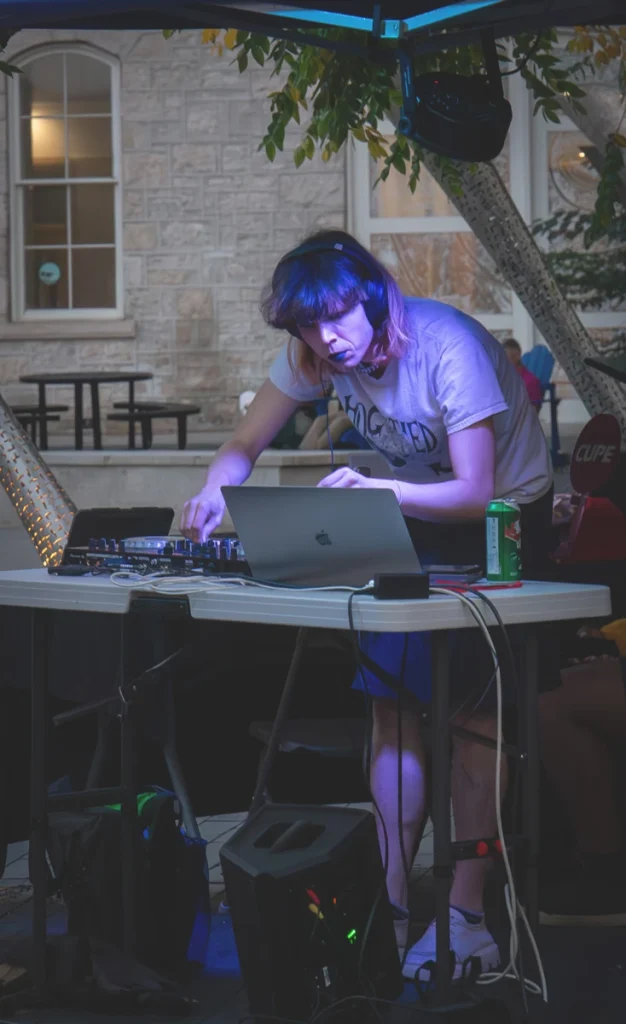
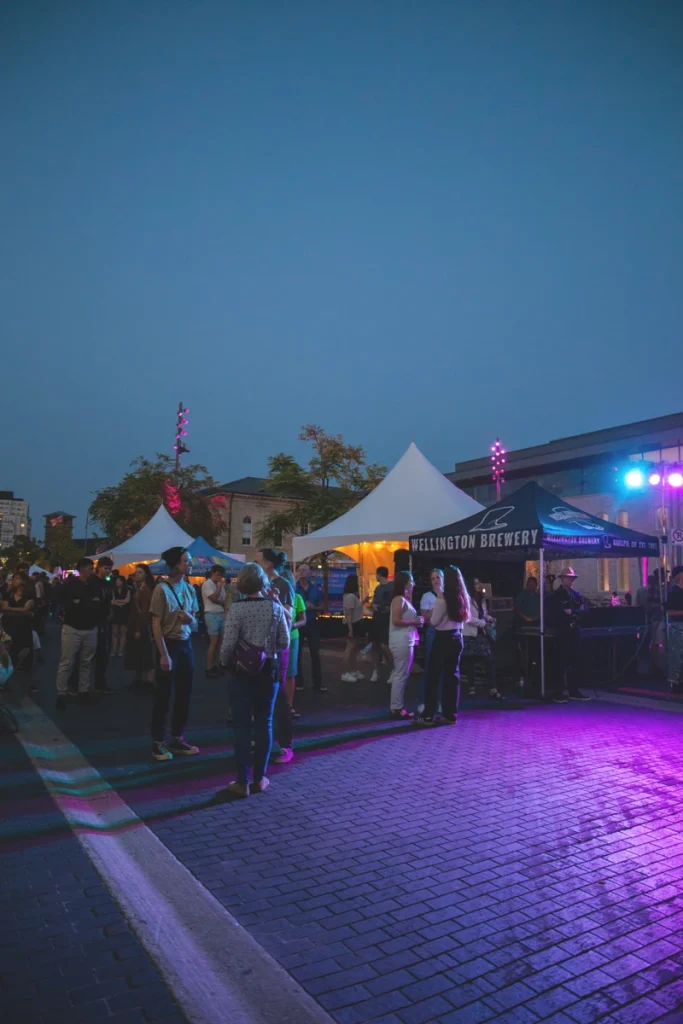
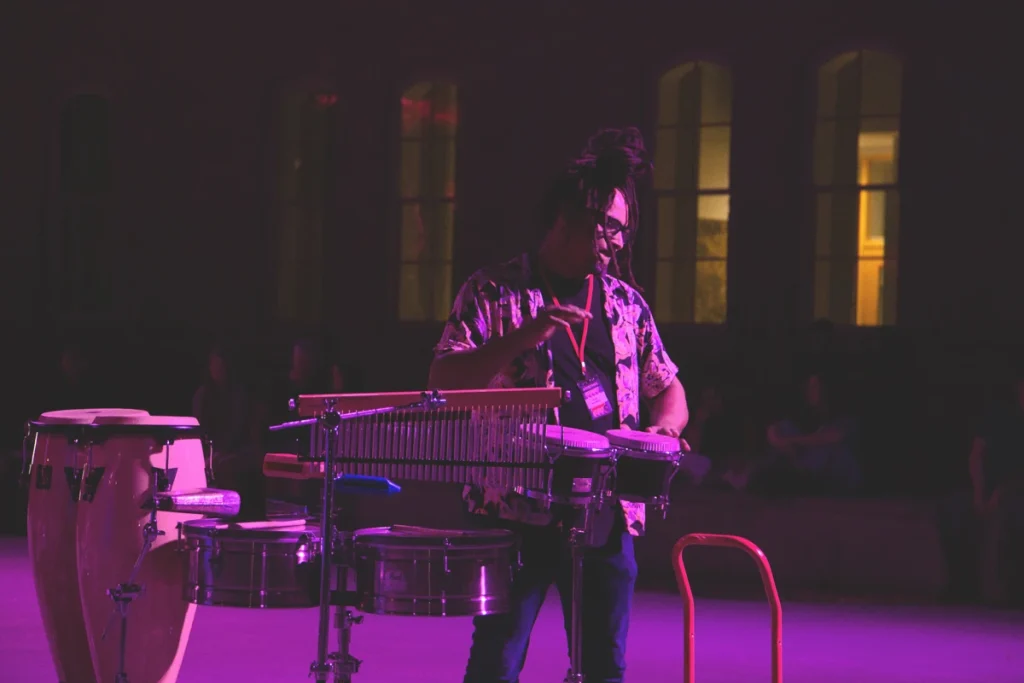
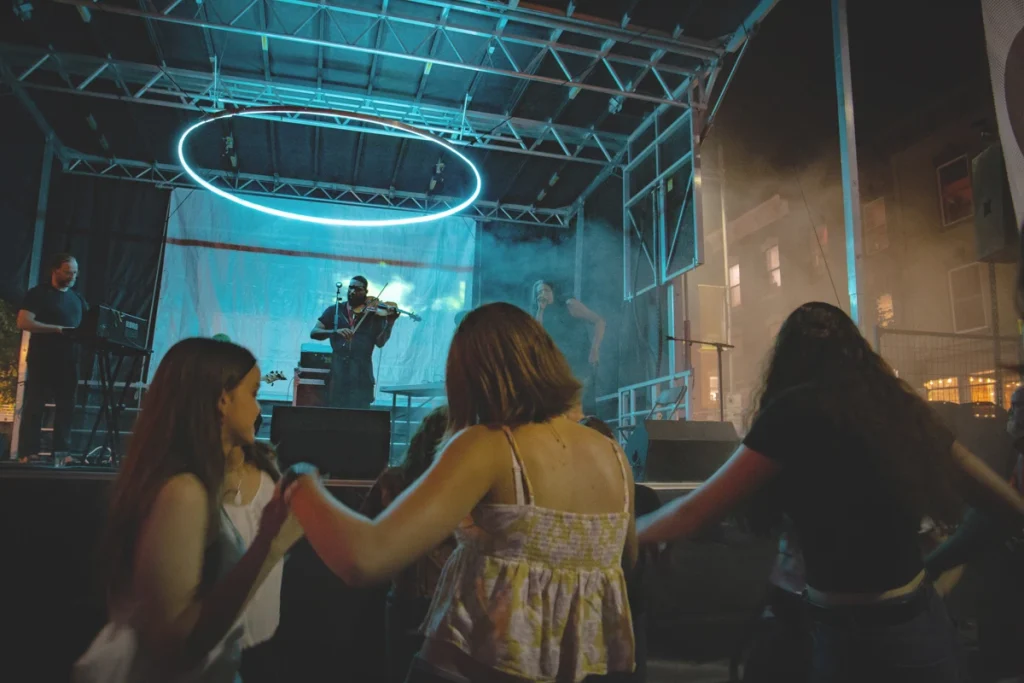
Not only has this street party vibe become a cherished aspect of the Guelph Jazz Festival, but it has also presented opportunities for festival-goers to discover local businesses in the downtown area.
A representative from 10C Shared Space highlighted the positive impact of the festival, such as the increased foot traffic and lively atmosphere in downtown Guelph. Local businesses also benefited from the festival’s presence and called for more year-round events to sustain this vibrant energy.
With rising costs impacting the arts in the Guelph community, organizations are increasingly focused on sharing resources and building partnerships to ensure their sustainability. The festival aims to identify innovative spaces for music, leveraging locations with unique views and atmospheres to create dynamic experiences for attendees.
“It becomes its kind of own little community of businesses that are making the festival better by participating, staying open later, adjusting to the circumstances and really being enthusiastic about how many people are there and enjoying it,” said Ricci.
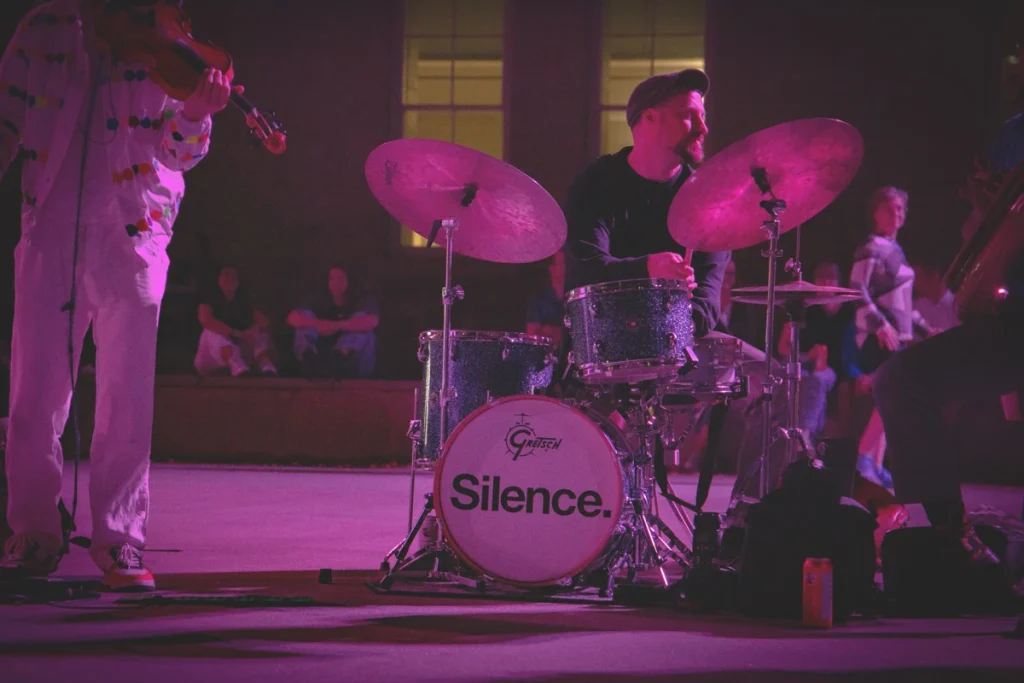
Returning venues like Silence, Youth Music Center and Royal City Mission have played a significant role in the festival, hosting various installations and events. Specifically, Silence is important to the local art scene as it showcases alternative music and local artists year-round.
The festival has also established strong relationships with local businesses. This year, 10C Shared Space served as the festival headquarters, hosting the artist green room, catering, and volunteer check-in. The Cornerstone contributed by presenting music as part of the Jazz Around Town program, Atmosphere Cafe provided meals for artists and volunteers, and Sweet Candy Shop supplied candy for the installation by Jermaine Liu and Mark Zuroinsky.
The organizers hope the community engages with and supports these venues and businesses beyond the festival.
“In a very challenging time, we exist because of the support of the community,” Ricci said. “There’s been so much support over the years that allows artists who live here to flourish and to feel like what they do is actually meaningful because there are people who care and who show up.”
The success of the festival would also not be possible without the talents, effort and care of the artists and musicians that participated.
Musicians and Guelph Alumni, Germaine Lui and Mark Zurawinski created a free installation, hosted at Silence, called We Made This (With Love). Inspired by the theme of “nerds,” Lui and Zurawinski creatively reimagined their previous work through an innovative multimedia approach. The project featured audio-visual sound art collages presented on five projections that were randomly selected to intersect and overlap.
The videos themselves were a blend of improvisation and planned sequences. The visuals were created using a blend of different candies, instruments and movements. They began with simple movements like poking and then evolved into more complex gestures. Recording occurred in real time, allowing for spontaneity between the videos.
The installation featured multiple unique sounds, including a synthetic bass drum triggered by hitting a nearby floor tom, which caused the Nerds candies to move and vibrate.
Expanding on a project presented at the Music Gallery last year, this installation aims to disrupt viewers’ expectations by presenting the videos on a loop, ensuring no two experiences are the same. Drawing inspiration from both the candy “Nerds” used in the projections and the concept of nerd culture itself, the artists included a candy station, complete with a collection of found objects and percussion instruments so that viewers can engage and experiment with their own sounds.
The installation invited participants to engage in a dialogue about the sensory overload that contemporary life often presents.
“If you watch for a while, it’ll feel a little bit like you’ve had too much candy,” said Lui. “It provides an experience of hyperstimulation using a blend of colour, shape, and texture.”
The duo also focused on sustainability by incorporating recycled materials such as painted cardboard found outside a local bike shop into their setup. This handmade aspect is reflected in the uneven lines and folds of the boards used to show the projections.
On day 2 of the festival, drummer Nick Fraser partnered with his long-time collaborator, saxophonist Tony Malaby and prominent contemporary jazz pianist Angelica Sanchez to perform a unique, intense and lyrical experience at the Guelph Youth Music Centre.
While the three musicians are experienced in playing music that is completely improvised, they decided to use a few sketch compositions that would provide a landing and takeoff point for the concert.
“We rehearsed them at soundcheck, of course,” Fraser said. “It went differently than we expected, because that’s the nature of those compositions. They’re going to be malleable.”
Playing the drums since he was 8 years old, Fraser has been strongly influenced by the lessons he took with his West African teacher, Ibrahim Gueye.
“That background in African rhythm is something that stayed with me a lot because so much of the music we make has its origin in African music,” Fraser said. “When you talk about what jazz is, it’s not separable from African rhythm.”
Fraser is inspired by those he grew up with and the colleagues he continues working with today.
“Tony and I have collaborated a lot over the last 10 or 15 years,” he said. “I met him when I was about 20. We were both students at a jazz camp together. He’s just been a guiding light for me, I love his approach, he’s really committed to improvising. I love his sound and I just think he’s a great musician and a role model for me. And I’ve listened to Angelica’s music a lot. I think she’s wonderful and an amazing musician.”
This history of collaboration, familiarity and appreciation for one another’s work made for a great combination of style and sound from the three seasoned artists.
As a returning artist at the Guelph Jazz Festival and a Doctoral student at the University of Guelph’s critical studies and improvisation program, Fraser holds a great appreciation for the Guelph Arts community. So do many other artists involved with the festival.
Philipe Lauzier, a bass clarinet player from Quebec from the quartet Splendide Abysse, said that it’s always been a great and welcoming experience in Guelph.
“Not all festivals will have this space where you can interact with and meet the other artists, which is very important,” Lauzier said.
While the festival featured esteemed artists, it also highlighted the importance of local connections and personal stories.
For the final show of the festival, the community celebrated the legacy of local singer-songwriter Richard Laviolette. Laviolette was diagnosed with Huntington’s disease, a condition that also affected his mother, whom he cared for until her passing. Laviolette’s condition deteriorated rapidly and he passed on Sept. 5 of last year. The album he had worked on during the last months of his life was released through You’ve Changed Records, accompanied by a series of shows in cities meaningful to him, including Guelph. Ng said that this show encapsulated the essence of Guelph, “a blend of community spirit and shared experience.”
The band, having prepared for this moment over the past year and a half, created an environment that allowed individuals to engage with their emotions alongside the music.
“This space offered everyone the opportunity to process their grief in their own way,” Ng said.
The event served not only as a tribute to Labiolette’s artistry but also as a celebration of community resilience, connection, and the shared experience of loss.
“A lot of people would wonder what the connection is to jazz with the show. And I just felt it was really important to remember that music can also have a function of bringing community together,” Ricci said.
For those interested in getting involved with the Guelph Jazz Festival in the future, there are countless opportunities. You could volunteer at the Festival or attend city council meetings to advocate for arts and culture in the Guelph community. You can also contribute by staying connected through newsletters, social media, and donations or becoming a member of their annual general meeting.
Not to mention, attending live music events is essential for ensuring the festival’s future success. Supporting the local music scene today will help guarantee that the Guelph Jazz Festival and our downtown core continue to thrive in the years to come.
Be sure to follow @guelphjazz on instagram or check out guelphjazzfestival.com for more information.