

In his tell-all take on the decade, retired U of G professor Hank Davis shows how the ‘50s rocked (and rolled)
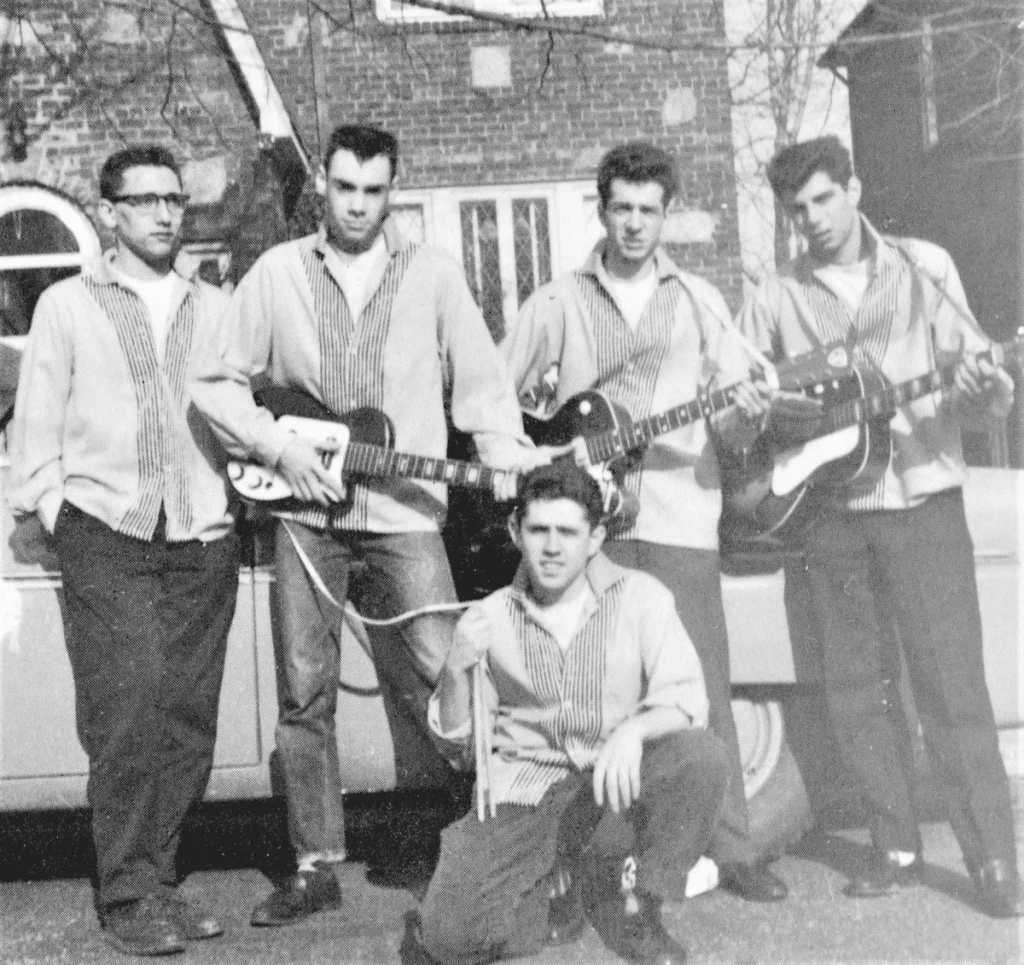
In the 1950s, young New Yorker Hank Davis picked up a guitar and found a lifelong passion. Gone was the age of his parents’ “big-band music” – rock and roll was born, and it was wild and free. By day, Davis was a studious Columbia- bound student, by night, he booked gigs through the city and penned songs sent to radio.
“Going into school the next day, and having all the kids go… ‘Your song was played on the radio last night’… that was an amazing experience,” Davis said.
After realizing he wouldn’t become a “teen idol,” Davis pursued his passion for psychology. As a retired U of G professor, Davis said that performing music primed him to be comfortable in front of an audience.
“I was teaching them the hard content of psychology, but I was doing it like a performer,” he said. “And I think they really appreciated that.”
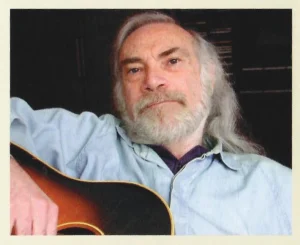
Davis is proof you don’t have to choose just one avenue in life. He’s continued his passion for music by writing magazine articles, doing interviews, and getting into production work. Over the years, he’s connected with some of his heroes, like blues singers LaVern Baker and Rosco Gordon, guitarists Charlie Rich and Les Paul, and hit-maker Frankie Laine.
“Oh my god, the man was a megastar,” Davis described. “There I was, sitting in my house in the woods in Canada, just talking to Frankie Laine like we were old pals.”
As an interviewer, Davis’ prior study of psychology allows him to ask more meaningful questions.
“When you’re asking them stuff that goes deeper, they think, ‘Oh, yeah, I never thought of that before,’” Davis explained. “And then you end up with much more insight into the music.”
After 40 years of interviews, projects, and research, Davis said to himself, “You know, I got a lot of stuff here.” Now, his book Ducktails, Drive-ins, and Broken Hearts dives into ‘50s music and the music industry. It’s a raw, real perspective on this time period.
In the ‘50s, everything was made more palatable with string instruments and chaster lyrics. This was because pearl- clutching parents feared their children would become “juvenile delinquents.”
“The whole scene got sweetened – and I want to make it clear that my book is not a sweetened look at ‘50s music,” Davis said. “I tried to be very real and talk about what was going on in the business.”
Ducktails, Drive-ins, and Broken Hearts has 38 self-contained chapters which focus on different artists or aspects of the music industry. His love for ‘50s music shows through each page as he discusses the rise and fall of stars. Davis explains topics like politically incorrect music, the 1500 recordings of “Unchained Melody,” and why everyone covered everyone else’s songs.
Davis says its short chapters make it a “great bathroom book.”
“It’s just the perfect length,” he explained. “Unless you have dysentery, in which case you’d probably go through the whole book in a few days.”
Even without dysentery, Davis wanted to read the book all in one sitting. He had to limit himself to two or three chapters a day, and he was really sad to finish it.
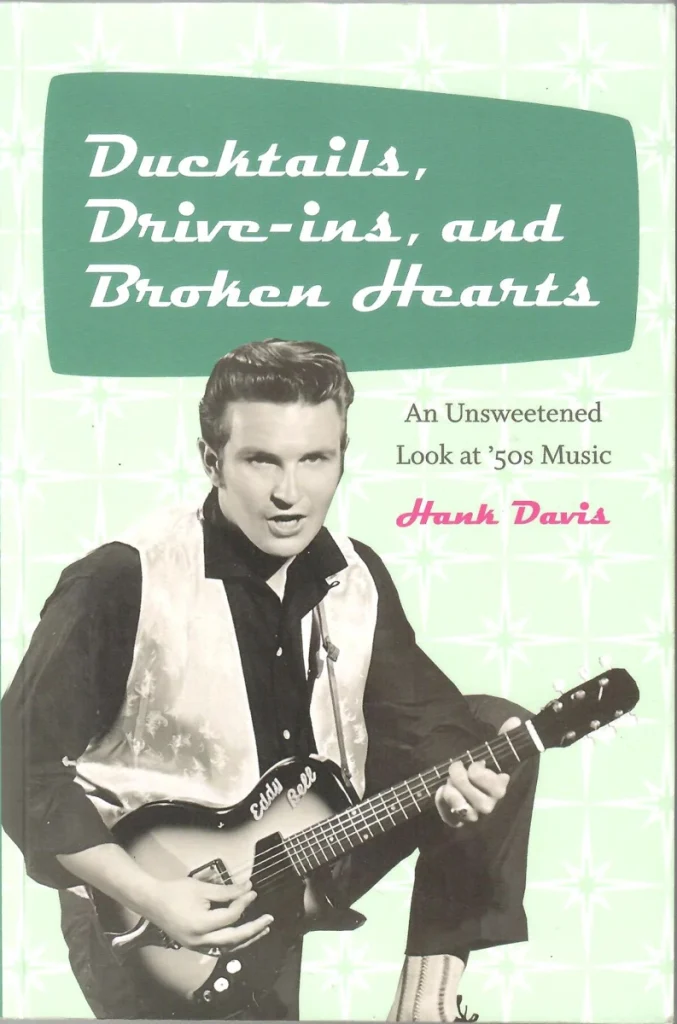
“I almost wanted to go back and start reading it again,” he said. “I hope that’s the reaction that people have.”
By looking into ‘50s music, you can discover vintage tracks and connect more with history. Davis described that the ‘50s “isn’t just any decade” – at this time, music broke free of its constraints and became full of passion and musicality.
Also, because music is so dynamic, it’s interesting to see the influence older music has on present hits. For example, rap and hip-hop stem from early rhythm and blues.
“It’s all connected,” Davis said. “Nobody wakes up one morning, whether it’s in 2024 or 1954, and says, ‘I’m going to invent a genre today.’”
He added, “There’s connections all over the place. If you don’t see them, or hear them, that’s because you haven’t looked hard enough. It’s not because they’re not there.”
For example, Davis mentioned that Buddy Holly, Gene Vincent, and Chris Isaac were inspired by ‘50s star Elvis Presley. Furthermore, Graceland, the “Home of Elvis Presley,” has an exhibit that shows the impact the King of Rock and Roll has had on modern artists, such as Shawn Mendes, Carrie Underwood, Post Malone, and Kasey Musgraves.
Davis himself loved Elvis and the rockabilly genre.
“A lot of music that I love was released on a tiny Memphis label called Sun Records,” he said. “And they were amazing… they discovered Elvis, Johnny Cash, and Jerry Lee Lewis.” He added, “If the latest Sun record came out, I would go running to the record store and say, ‘Give it to me, I want it.’ I didn’t say ‘Who is it by?’ I didn’t say, ‘What was it called?’ Because I knew it would be authentic, passionate music.”
In collaboration with Sun Records, Davis put out projects like the woman-led box set “Memphis Spells.”
“People were astonished by it because Sun Records… is like the ultimate testosterone label,” he said. “And we went and found all these records that had been recorded by women.”
He added, “We revealed the whole other side of what had been going on at Sun Records, which was a nice thing to do. I felt like I was paying back to my love for Memphis music by making this discovery and putting it out there for a new generation.”
Generations to come can appreciate Davis’ Ducktails, Drive-ins, and Broken Hearts. He meticulously uncovered the ‘50s, from the writings in yellowing magazines to the linear notes on deleted albums. Davis worried that this interesting, worthwhile content would “disappear into the ether.” He loves the spirit of ‘50s music – the emotion captured in each track, the honesty and authenticity of self-produced music.
You can use the modern invention that is the internet to find Ducktails, Drive-ins, and Broken Hearts on Amazon or through the publisher, SUNY Press. From there, you’ll get to flip through the pages and go back in time.